


Choosing the right wine glass is more than a matter of aesthetics; it can significantly impact the aroma, flavor, and overall experience of the wine. Let’s explore the anatomy of a wine glass and how different shapes and sizes cater to various types of wine.
Anatomy of a Wine Glass

1. **Bowl**:
– The largest part of the glass, which holds the wine.
– Its shape influences how the wine’s aromas are concentrated and how the wine interacts with air.
2. **Rim**:
– The edge of the glass from which you drink.
– A thin rim can enhance the transition of wine from the glass to the palate.
3. **Stem**:
– The slender column between the bowl and the foot.
– Holding the stem prevents the warmth of your hand from altering the wine’s temperature.
4. **Foot/Base**:
– The flat portion at the bottom that allows the glass to stand upright.
Choosing the Right Glass for Different Wines
1. **Red Wine Glasses**:

- Schott Zwiesel 7544321 Ivento Coffret de 6 Verres à Vin Cristal Transparent 63 cl

– **Bordeaux Glass**:
– Characteristics: Tall with a broad bowl.
– Best for: Full-bodied reds like Cabernet Sauvignon, Merlot, and Bordeaux blends.
– Why: The large bowl allows the wine to aerate, which softens the tannins and enhances the complexities of the wine.
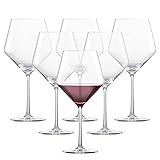
- Copa de cristal Tritan Protect 700 ml
- Modelo Pure Burgundy para los amantes del buen vino
- Tallo elegante y borde fino
- Perfecta para winelovers
– **Burgundy Glass** (also known as Pinot Noir Glass):
– Characteristics: Wide bowl with a slightly tapered rim.
– Best for: Lighter, more delicate reds like Pinot Noir and Burgundy wines.
– Why: The wide bowl directs the wine to the tip of the tongue, accentuating the wine’s fruit flavors while minimizing acidity.
2. **White Wine Glasses**:
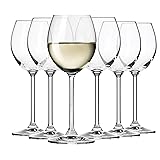
– **Standard White Wine Glass**:
– Characteristics: Smaller bowl than red wine glasses.
– Best for: Light to medium-bodied whites like Sauvignon Blanc and Pinot Grigio.
– Why: A smaller bowl maintains cooler temperatures and promotes freshness.
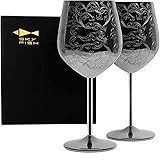
– **Chardonnay/Full-Bodied White Wine Glass**:
– Characteristics: Slightly larger bowl than typical white wine glasses and can have a wider opening.
– Best for: Oak-aged whites like Chardonnay.
– Why: A slightly larger bowl allows for more aeration, enhancing the wine’s bouquet and complexity.
3. **Sparkling Wine Glasses**:

– **Flute**:
– Characteristics: Tall and narrow.
– Best for: Champagne, Prosecco, and other sparkling wines.
– Why: The narrow shape helps to retain carbonation and direct bubbles upwards, creating a beautiful visual effect and keeping the wine effervescent.

– Tulip
– Characteristics: Wider at the bowl and narrowing towards the rim.
– Best for: Premium sparkling wines.
– Why: Provides room for the wine to aerate and enhances the aroma while still preserving the effervescence.
4. Rosé Wine Glasses

– Characteristics: Typically resembles a white wine glass.
– Best for: All types of rosé.
– Why: The narrow aperture preserves the wine’s fresh and fruity character, while the wider bowl allows for some aeration.
5. Dessert Wine Glasses

– **Port/Sherry Glass**:
– Characteristics: Smaller and tulip-shaped.
– Best for: Sweet and fortified wines like Port, Sherry, and Sauternes.
– Why: The small bowl helps to concentrate the rich, sweet aromas and flavors.
Conclusion
By understanding the anatomy of a wine glass and the rationale behind different shapes and sizes, you can enhance your wine-tasting experience. Whether you are savoring a robust red, a crisp white, or a bubbly sparkling wine, choosing the appropriate glass can make a noticeable difference in how you perceive and enjoy your wine.

